What To Expect During A Professional Plumbing Inspection
Greg Mitchell Plumbing • February 23, 2026
It often starts with something small. A tap that rattles when turned off. A faint damp smell under the sink. A water bill that seems slightly higher than it should be. For new homeowners and property managers, these signs can be easy to dismiss. Yet they are often the very reasons a professional plumbing inspection becomes one of the smartest decisions you can make for a property. Understanding what happens during an inspection removes the uncertainty. Rather than waiting for a burst pipe or major leak, a structured assessment provides clarity around the condition of your system, highlights risks and offers practical recommendations. From visible fixtures to concealed pipework, each step plays a role in protecting the building, its occupants and your budget.
Below is a detailed look at what you can expect when a licensed plumber carries out a thorough inspection and how it helps prevent costly problems down the track.
A Thorough Visual Assessment Of Fixtures & Fittings
The inspection begins with what can be seen, touched and tested. While it may appear straightforward, this stage often reveals early warning signs that property owners overlook. A licensed plumber will methodically check taps, toilets, basins, showers and exposed pipework for leaks, corrosion, cracks or loose fittings. Even minor drips can indicate worn washers, faulty valves or pressure imbalances. Toilets are tested for proper flushing performance and hidden cistern leaks, which can waste significant water over time.
During this process, they typically:
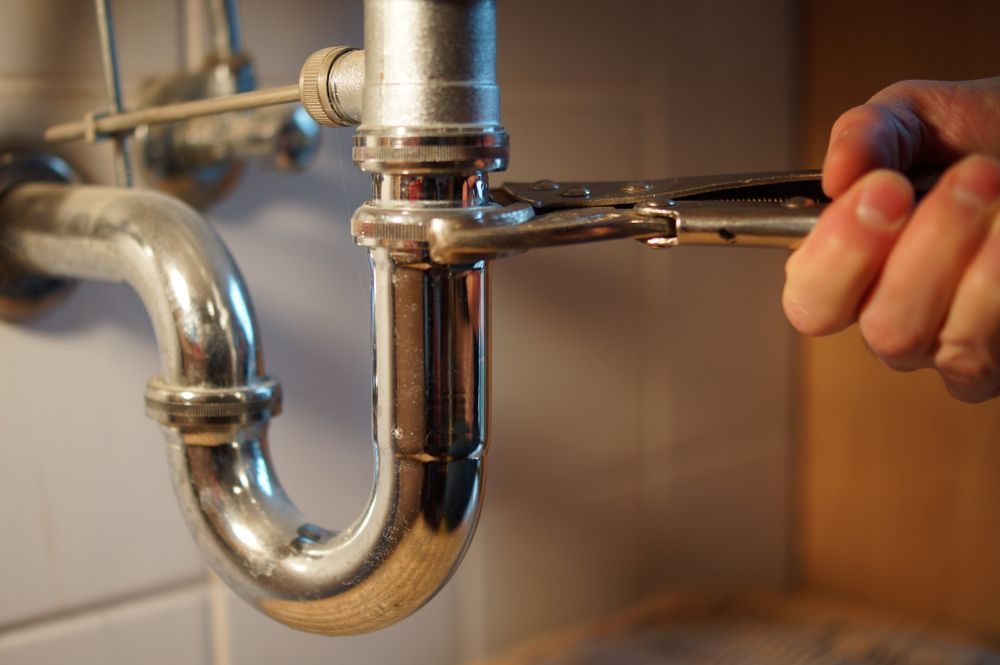
- Check for visible leaks under sinks & vanities
- Inspect tapware for steady pressure & smooth operation
- Test toilets for silent leaks & secure mounting
- Examine exposed pipes for rust, discolouration or damage
This visual stage establishes a baseline for the overall condition of your plumbing system.
Water Pressure Testing & Flow Evaluation
Water pressure affects more than comfort. Excessively high pressure places strain on pipes and appliances, while low pressure may signal hidden issues within the system.
During an inspection, pressure levels are measured to ensure they fall within safe operating ranges. Inconsistent flow between fixtures can indicate blockages, partially closed valves or deteriorating pipework. For property managers, this testing helps ensure tenant satisfaction and reduces complaints.
Key checks often include:
- Measuring pressure at multiple outlets
- Assessing flow consistency in showers & taps
- Identifying signs of pressure surges or fluctuations
- Inspecting pressure limiting valves where installed
By evaluating these factors early, plumbers can recommend adjustments or component replacements before damage occurs.
Drainage & Sewer Line Condition Matters
Drainage issues rarely develop overnight. They build gradually through grease accumulation, tree root intrusion or structural pipe movement. A professional plumbing inspection includes assessing how efficiently wastewater leaves the property. Plumbers will run water through fixtures to observe drainage speed and listen for unusual sounds such as gurgling. Where concerns arise, further investigation using specialised equipment may be recommended to examine internal pipe conditions.
This stage often involves:
- Testing sink, shower & floor waste drainage
- Checking for slow discharge or recurring blockages
- Inspecting external drainage points
- Assessing signs of sewer odours around the property
Addressing drainage concerns early prevents backups that can cause structural damage and health hazards.
Detecting Hidden Leaks Before They Escalate
Not all plumbing problems are visible. Some of the most damaging leaks occur behind walls, under floors or within ceilings. An experienced plumber understands where to look and what subtle indicators to monitor. Moisture meters, pressure testing and careful observation of water usage patterns can reveal concealed leaks. Early detection limits mould growth, timber rot and damage to plaster or cabinetry.
During this phase, a plumber may:
- Check for unexplained damp patches or stains
- Monitor water meter movement when fixtures are off
- Inspect cabinetry & subfloor areas for moisture
- Evaluate unusual increases in water consumption
Preventing a hidden leak from progressing can save thousands in structural repairs.
Hot Water System Performance & Safety
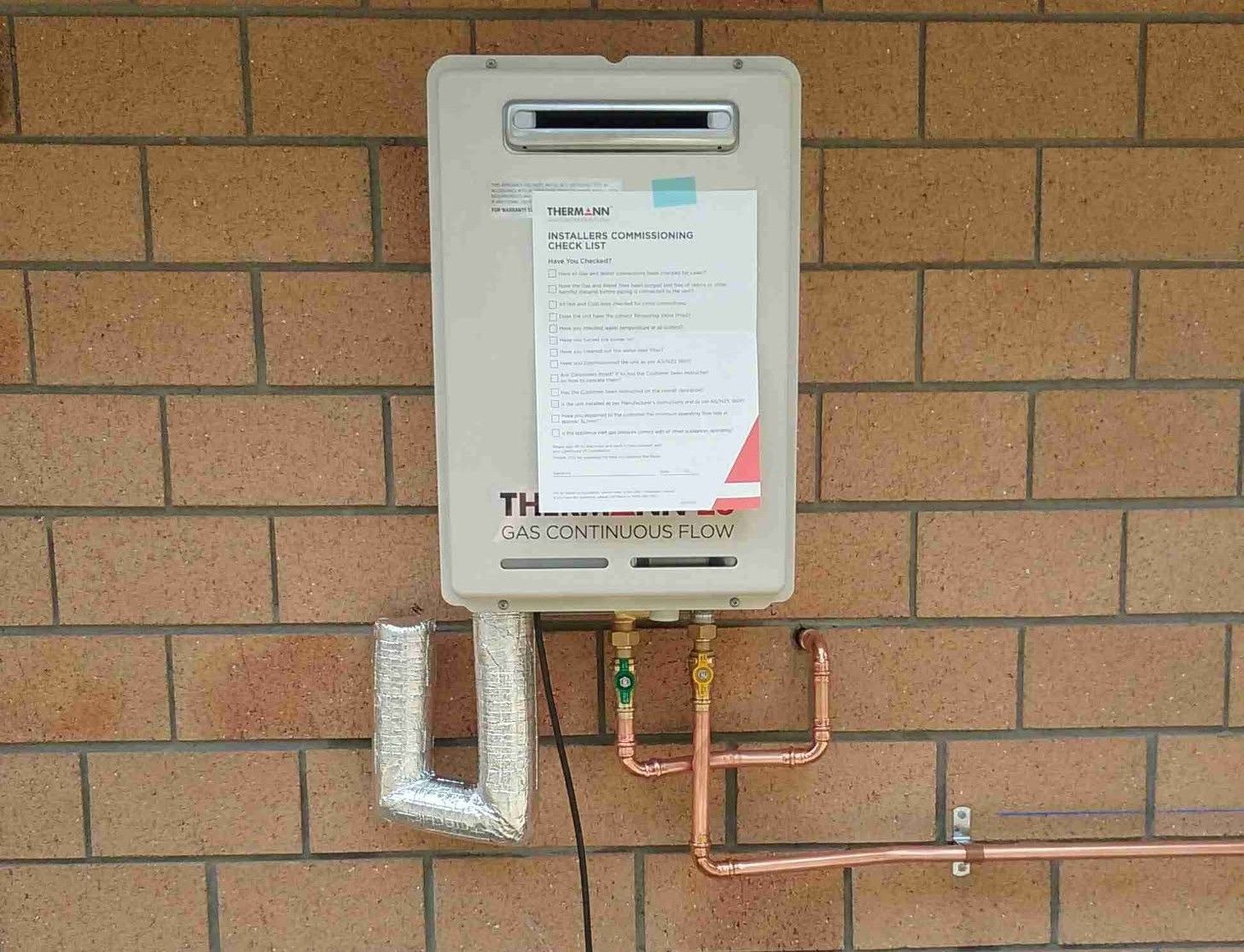
The hot water system is one of the hardest working components in any building. An inspection ensures it operates efficiently and safely. The plumber will examine the tank or unit for corrosion, leaks and secure connections. Temperature settings are checked to ensure compliance with safety standards while maintaining adequate supply. Relief valves and expansion controls are also reviewed to confirm correct function.
Typical checks include:
- Inspecting for rust or water pooling near the unit
- Testing temperature consistency
- Examining pressure relief valves
- Reviewing overall system age & condition
For property managers, proactive maintenance of hot water systems reduces emergency callouts and tenant disruption.
Compliance With Current Plumbing Standards
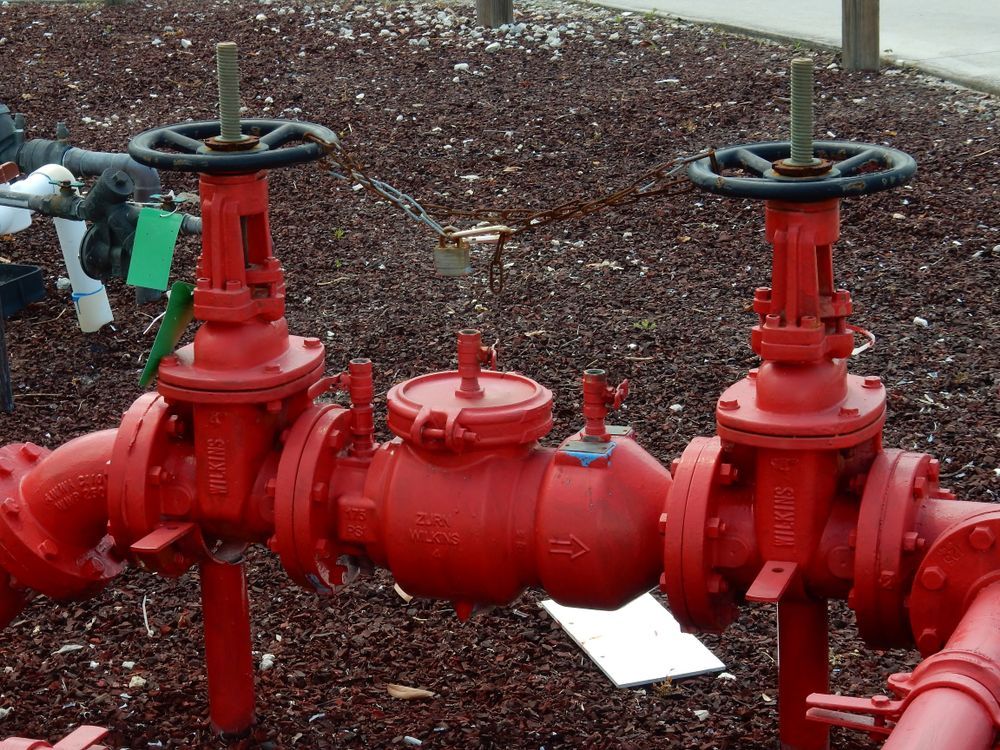
Regulations evolve over time, and older properties may contain plumbing installations that no longer meet current standards. While systems may still function, non-compliant components can pose safety or insurance risks. A comprehensive inspection identifies outdated materials, improper installations or missing backflow prevention devices. This is particularly important for investment properties where liability considerations are significant.
Compliance-related checks may involve:
- Assessing pipe materials for suitability
- Reviewing backflow prevention where required
- Inspecting tempering valves
- Confirming correct installation of fixtures
Staying aligned with standards protects both occupants and property owners from preventable complications.
Identifying Wear & Tear In Ageing Infrastructure
Even well-maintained plumbing systems deteriorate over time. Rubber seals harden, metal pipes corrode and joints loosen. An inspection helps forecast when repairs or replacements may be necessary. Rather than reacting to failures, homeowners and property managers gain insight into the remaining lifespan of key components. This allows budgeting for upgrades in a controlled manner.
During this stage, plumbers often:
- Evaluate pipe condition based on age & material
- Inspect joints for early signs of separation
- Check flexible hoses for brittleness
- Identify fittings nearing end of service life
This forward planning reduces unexpected disruptions and spreads costs more predictably.
A Clear Report With Practical Recommendations
At the conclusion of a professional plumbing inspection, you should receive clear feedback outlining findings and suggested actions. This is where the value of the process becomes tangible. Rather than vague observations, a structured report highlights urgent repairs, recommended maintenance and optional improvements. For new homeowners, this offers reassurance. For property managers, it supports responsible asset management.
The final summary may include:
- Immediate safety concerns requiring prompt attention
- Maintenance tasks to prevent future issues
- Estimated timelines for component replacement
- Advice on water efficiency improvements
Armed with this information, decisions can be made confidently and strategically.
Protect Your Property With Expert Guidance
We at Greg Mitchell Plumbing understand that arranging a plumbing inspection in Kingaroy is about more than ticking a box. It is about protecting your investment, ensuring tenant comfort and avoiding the disruption that unexpected plumbing failures can cause. As a trusted plumber providing reliable plumbing services in Kingaroy, we take a methodical approach to every inspection. If you are purchasing a property, managing rentals or simply want peace of mind, contact us today to book an inspection and gain clear, practical insight into your plumbing system’s condition.