Rainwater Tank Maintenance Tips For Dry Climates
Greg Mitchell Plumbing • June 25, 2026
When the rain finally arrives after weeks of dry weather, every drop that hits your roof is a potential resource. For property owners who rely on rainwater as their primary or supplementary water supply, that storage system is genuinely valuable infrastructure. But like any system exposed to the elements, it only performs well when it's looked after properly.
A neglected rainwater tank doesn't just collect water — it collects sediment, debris, algae and potentially harmful bacteria too. For homeowners in areas with low or irregular rainfall, the cost of poor maintenance isn't just a dirty tank; it's reduced capacity, pump failures, contaminated water and gaps in supply at exactly the wrong time of year.
Whether you're a long-term property owner, a rural landholder or a landlord managing a tank-supplied property, keeping your system in good condition is a practical priority, not an optional one. A plumber in Kingaroy familiar with local conditions and rainwater plumbing regulations can be an important part of keeping your system running reliably — but so is knowing what to watch for yourself.
Start at the Top: Gutter and Inlet Screen Maintenance
Water quality in your tank starts well before it reaches the tank itself. Gutters, downpipes and inlet screens are the first line of defence against debris entering your storage system, and they're often the first things to be overlooked.
Gutters collect organic matter throughout the year — leaves, bark, bird droppings and fine particles that break down into a dark, nutrient-rich sludge. When rain comes, all of that material gets swept towards your downpipe and, if there's no adequate screening, into your tank. Over time, that organic load accelerates sediment build-up, promotes algae growth and can introduce bacteria into your water supply.
Routine checks and cleaning should include:
- Clearing gutters of leaf litter and debris before and after the wet season
- Inspecting inlet screens and mesh covers for holes, corrosion or blockages
- Checking that downpipe connections are secure and not allowing overflow to bypass the system
- Looking for signs of rust or debris build-up around gutter brackets and joins
This is straightforward maintenance that most property owners can do themselves, though a licensed plumber in Kingaroy can inspect the connection points between your gutters and tank inlet as part of a broader service.
How First-Flush Diverters Protect Your Water Quality
A first-flush diverter is one of the more under-appreciated components of a well-designed rainwater system. The principle behind it is simple: the first water to run off your roof carries the highest concentration of contaminants, so it makes sense to divert that initial flow away from the tank before clean water starts coming through.
Without a functioning first-flush diverter, all of that contaminated roof runoff goes straight into your storage. Over time, even small amounts of organic material accumulate at the bottom of the tank as sediment, and in warm climates, that sediment becomes a breeding ground for bacteria.
Checking your diverter regularly means:
- Confirming the diverter chamber drains correctly between rain events
- Looking for cracks or deterioration in the diverter housing
- Making sure the float mechanism or ball valve is moving freely
- Confirming that the diverter capacity is appropriate for your roof area
A plumber can install or replace a first-flush diverter, and if you don't currently have one, it's worth considering as a cost-effective water quality upgrade.
Sediment Build-Up and Tank Inspections
Sediment accumulates in every rainwater tank over time. What varies is the rate of build-up and how significantly it affects your water quality and storage capacity.
In dry climates where rainfall events tend to be intense but infrequent, each downpour can carry a relatively high load of particles from the roof surface into the tank. Without consistent flushing, sediment layers deepen gradually and can harbour bacteria, reduce effective storage volume and cause turbidity in your water.
An annual tank inspection should cover:
- Visual checks for sediment depth at the base (a torch and inspection hatch are usually sufficient for this)
- Signs of algae growth on interior walls, which indicates light is entering the tank
- Checking for cracks, crazing or structural damage to tank walls and the base
- Inspecting the outlet point and strainer for sediment blockage
If sediment has built up significantly, the tank will need to be professionally cleaned. This involves pumping out the contents, removing accumulated sludge and disinfecting the interior before refilling.
Algae Growth and Water Quality Considerations
Algae growth inside a tank is a sign that something has gone wrong. Most algae species that grow in rainwater tanks are harmless in small quantities, but significant growth creates taste and odour problems and can produce toxins in the case of some cyanobacteria (blue-green algae).
Preventing algae is far simpler than treating it once it's established:
- Ensure all tank lids, hatches and inspection ports are properly sealed and opaque
- Keep inlet screens fitted so organic debris doesn't enter and fuel algae growth
- Check that vents have fine mesh covers to exclude light and insects
- Avoid positioning tanks where direct sunlight can heat the water excessively
If algae is already present, the tank needs to be cleaned, disinfected and the source of contamination identified and addressed. A plumber can advise on appropriate disinfection methods and help ensure the system is sealed correctly afterwards.
Mosquitoes, Insects and the Importance of Tank Sealing
Standing water is an attractive breeding environment for mosquitoes, and an unsealed or poorly maintained rainwater tank can contribute to mosquito populations on your property. Beyond the nuisance factor, mosquito larvae in a drinking water supply is an obvious health concern.
The good news is that this is largely preventable through proper sealing and screening. Every opening on a rainwater tank should be covered with fine mesh that prevents insects from entering while still allowing air movement and water flow.
Key areas to check include:
- Inlet screens at the point where the downpipe meets the tank
- Overflow pipe outlets
- Vent pipes, which should have mesh caps in good condition
- Inspection hatch seals, which can degrade over time and leave gaps
If you notice larvae in your tank water, a licensed plumber in Kingaroy can assess the entry points and recommend appropriate screening or sealing solutions.
Pump and Pressure System Servicing
For most rainwater tank systems, a pump is what makes the water usable. Like any mechanical component, pumps require periodic servicing to maintain performance and avoid unexpected failures.
In dry climates, pumps can go extended periods without being called on heavily, which can actually create problems. Seals dry out, impellers seize and internal components corrode when a pump sits idle for too long without adequate use or lubrication.
Regular pump maintenance should include:
- Checking for unusual noise, vibration or loss of pressure during operation
- Inspecting the pressure tank (if fitted) for correct pre-charge pressure
- Looking for signs of water leaks around pump fittings and connections
- Testing the pump's auto-start and cut-off pressure settings
A licensed plumber can service your pump, replace worn parts and check that the entire pressure system is operating within specification. Addressing a minor pump issue early is substantially cheaper than replacing a seized or flooded motor.
Tank-to-Mains Switchover Systems
Many properties use rainwater as their primary supply but maintain a connection to town water as a backup for when the tank runs low. This switchover system needs to be correctly installed and regularly checked to ensure it functions when needed and doesn't create cross-contamination between the two supplies.
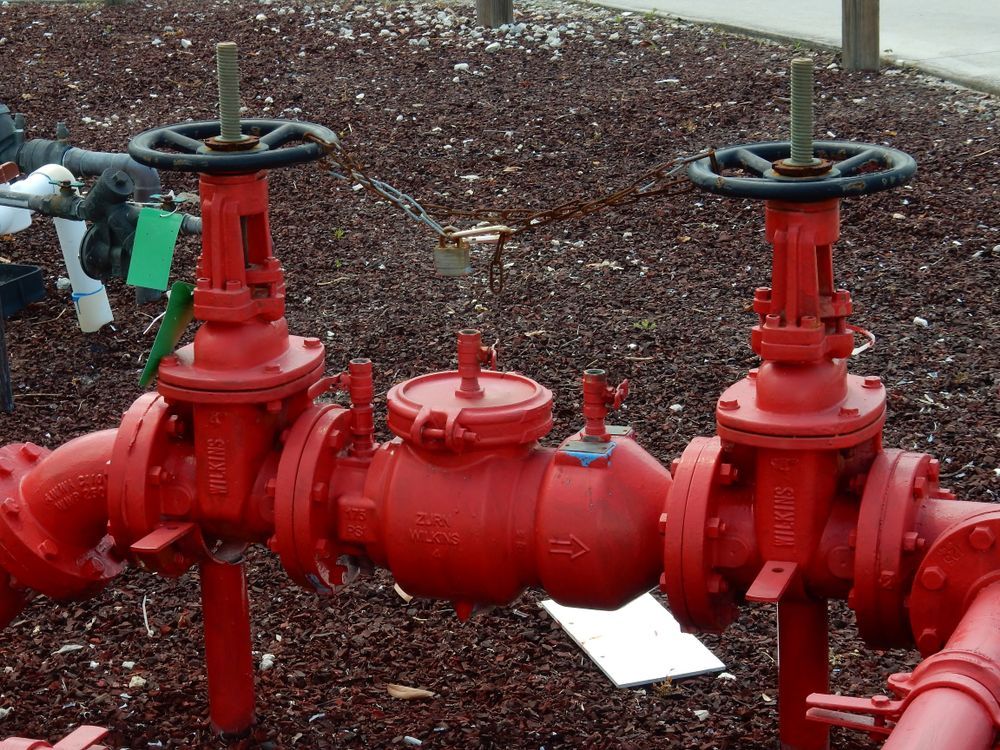
Australian plumbing regulations are clear that rainwater and mains water systems must be kept entirely separate to prevent contamination of the town water supply. A backflow prevention device is a mandatory requirement in most configurations, and its installation must be carried out by a licensed plumber.
Checks relevant to switchover systems include:
- Confirming that the automatic switchover valve activates at the correct tank level
- Testing that backflow prevention devices are functioning as required
- Making sure the system reverts correctly to tank supply once levels recover
- Checking all connections and fittings for leaks or corrosion at the switchover point
If you're unsure whether your switchover system is compliant with current regulations, a plumber can inspect the setup and carry out any rectification work required.
Recognising the Signs That Your System Needs Professional Attention
Most rainwater tank maintenance tasks are relatively routine, but there are situations where the involvement of a licensed plumber is both practical and required. Knowing when to call for professional help can prevent minor issues from becoming expensive repairs.
Signs that warrant a professional inspection include:
- Discoloured, turbid or foul-smelling water coming from your taps
- A significant and unexplained drop in water pressure
- Visible cracks, bulging or seam separation in the tank walls
- Water appearing around the base of the tank or at pipe connections
- A pump that runs continuously, short-cycles or fails to start
- Any modifications to your plumbing system, including connecting additional tanks
A licensed plumber can diagnose the cause of these issues, carry out any required repairs and ensure that your system continues to meet the applicable plumbing standards. For rural and acreage properties in particular, where the rainwater system is the primary supply, having a trusted plumber who understands your setup is genuinely worth establishing as an ongoing relationship.
Keep Your Rainwater System Working When It Matters Most
The most effective approach to rainwater tank maintenance is a proactive one. Waiting until problems become obvious means dealing with issues when you're already in a difficult position, often at the start of a dry stretch when water supply matters most.
A pre-season maintenance check, carried out before the driest months, gives you the opportunity to identify and address potential issues while conditions are more manageable. This is particularly relevant in areas with low and irregular rainfall, where each wet season's collection may need to carry a property through an extended dry period.
The key tasks worth completing before the dry season include:
- Gutters cleaned and inlet screens inspected
- First-flush diverter checked and draining correctly
- Tank interior inspected for sediment, algae or structural concerns
- Pump serviced and pressure system tested
- All seals, lids and vents confirmed secure
For rainwater tanks Kingaroy property owners depend on as a primary or backup water source, regular maintenance genuinely extends the life of the system, protects water quality and reduces the risk of supply interruptions
Protecting Your Water Supply Before Dry Seasons Hi
We at Greg Mitchell Plumbing understand how important a reliable rainwater supply is for homes and rural properties across the Kingaroy region. The South Burnett's dry stretches and variable rainfall patterns mean your tank system needs to be in good shape before the dry sets in — and that's exactly where we can help.
Whether you need a pump service, a tank inspection, first-flush diverter installation or help ensuring your tank-to-mains switchover meets current plumbing regulations, our licensed team can take care of it. As a plumber in Kingaroy, we're local, we know the conditions and we work with property owners across the region to keep rainwater systems running the way they should. Get in touch with us today to book a service.