Why QBCC Licensing Matters: The Risks of DIY and Unlicensed Plumbing in Queensland
Greg Mitchell Plumbing • July 2, 2026
Plumbing is one of those trades where the consequences of getting it wrong aren't always immediately visible. A poorly installed fitting, a non-compliant drainage alteration or a fixture connected without the right certification can sit undetected for months before causing serious damage.
In Queensland, the Queensland Building and Construction Commission (QBCC) exists precisely to prevent this, setting the licensing standards that protect homeowners, tenants and property owners from unsafe and non-compliant work. For anyone considering DIY plumbing or hiring an unlicensed operator, understanding what's at stake is worth the time. If you need regulated plumbing work completed to a legal and professional standard, engaging a licensed
plumber in Kingaroy is the only compliant path forward.
What the QBCC Regulates
The QBCC is the Queensland government body responsible for licensing and regulating the building and construction industry, including plumbing and drainage. Its role is to ensure tradespeople meet minimum competency standards, that work is completed safely and that consumers have access to protections when things go wrong.
In Queensland, regulated plumbing work covers a broad range of tasks, including:
- Installation, repair or alteration of water supply pipes, fixtures and fittings.
- Any work involving drainage, sewerage or stormwater systems.
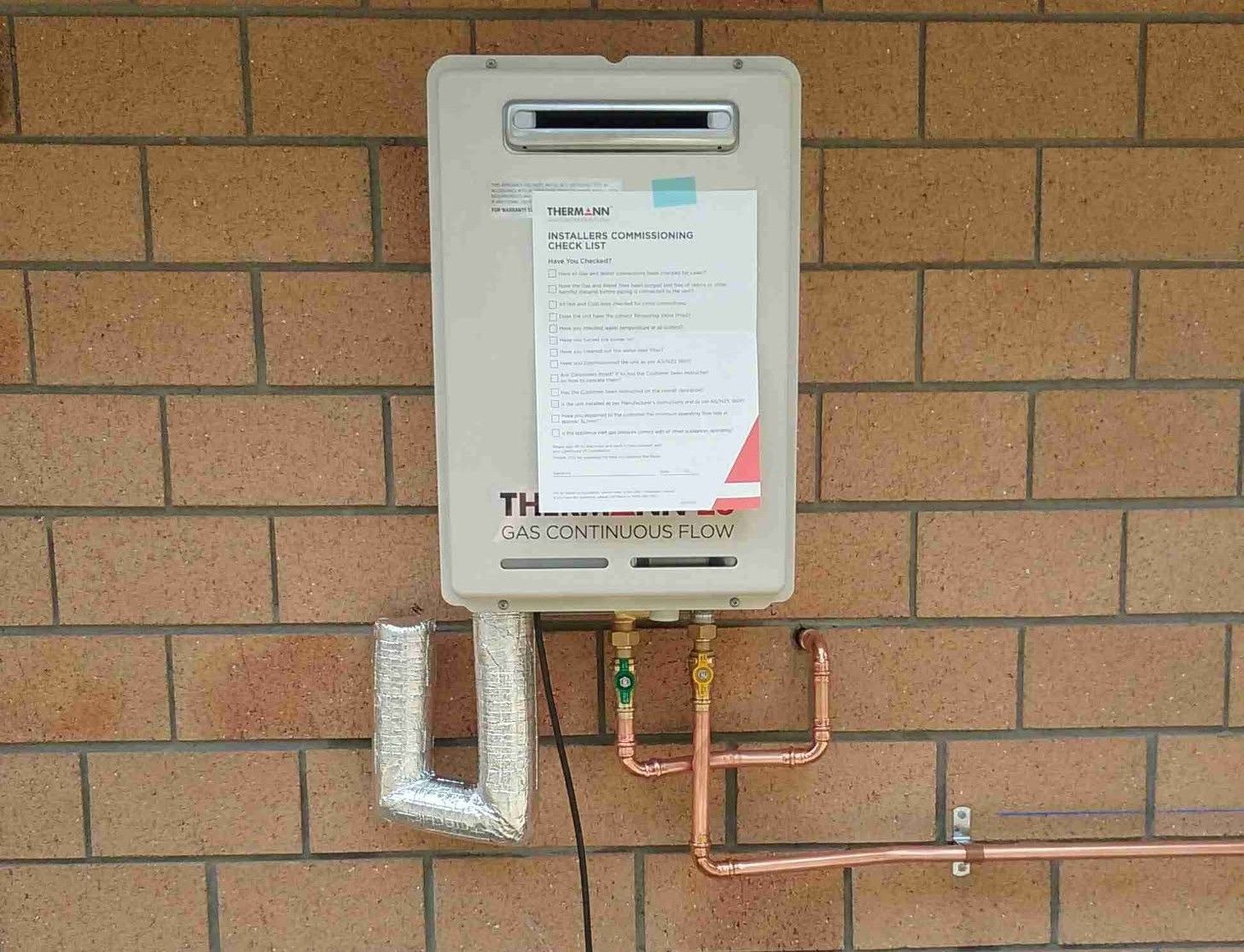
- Hot water system installations, replacements and modifications.
Many homeowners are surprised by how much falls under this classification, and that surprise can become costly if work proceeds without the proper licence in place.
Why DIY Plumbing Carries More Risk Than Most People Realise
The appeal of DIY is understandable. Labour costs can be significant, and for capable, practical homeowners, the instinct to handle things independently is reasonable. The problem is that plumbing systems are interconnected, and a mistake in one area can compromise the integrity of the entire system.
Homeowners who carry out regulated work without a licence may find themselves having to deal with:
- Full demolition and reinstallation of non-compliant work, at the property owner's expense.
- Fines and enforcement action issued by the QBCC for unlicensed regulated work.
- Rejected insurance claims for any damage caused by DIY plumbing, leaving the property owner fully exposed.
The financial exposure from DIY plumbing rarely justifies the short-term saving.
The Hidden Dangers of Unlicensed Plumbers
Hiring someone who presents as a plumber but holds no current QBCC licence is a risk that property owners sometimes take without fully understanding the implications. Unlicensed operators may quote cheaply and appear competent, but without licensing there is no regulatory accountability for their work.
In practice, unlicensed plumbing work puts property owners at risk of:
- Faulty installations that create ongoing leaks, water damage or contamination of the water supply.
- Structural issues caused by improper drainage or stormwater management.
- Work that fails inspection, requiring full remediation before a property can be sold, rented or refinanced.
There is no consumer protection pathway through the QBCC for work completed by an unlicensed operator, which means disputes become a private legal matter with no guaranteed outcome.
How Non-Compliant Work Affects Your Insurance
One of the most significant and least understood consequences of unlicensed or DIY plumbing is its effect on insurance coverage. Most home and property insurance policies contain clauses that void coverage where damage has been caused by non-compliant work.
A rejected claim can follow from a number of scenarios most property owners don't consider, such as:
- A burst pipe traced back to a poorly installed fitting completed without a licence.
- Water damage to flooring, walls or cabinetry linked to non-compliant plumbing work.
- Rental properties found to be in breach of minimum compliance standards, voiding landlord insurance coverage.
The cost of a rejected claim following water damage can far exceed whatever was saved by using an unlicensed operator in the first place.
What QBCC Licensing Actually Guarantees
A QBCC licence is not simply a piece of paper. It represents a verified standard of competency, a commitment to completing work in accordance with the Plumbing and Drainage Act 2018 and the Queensland Plumbing and Wastewater Code, and access to a regulated complaints and rectification process if something goes wrong.
Working with a QBCC licensed plumber in Kingaroy gives property owners assurance that unlicensed work cannot offer, namely:
- Work completed by someone whose qualifications and licence status have been independently verified.
- Compliance certificates issued for regulated work, providing a formal record of completion.
- Access to the QBCC's dispute resolution and rectification framework if the work falls short of the required standard.
This accountability simply does not exist when work is completed outside the licensing system.
Renovations, Property Sales & the Compliance Paper Trail
For homeowners planning renovations, extensions or fixture upgrades, the compliance implications of plumbing work extend well beyond the immediate project. Non-compliant plumbing can create significant complications at the point of property sale, refinancing or rental inspection.
Undisclosed non-compliant work can leave sellers and landlords exposed to:
- Delays or derailment of a property sale if non-compliant work is identified during pre-purchase inspections.
- Disclosure obligations that affect the negotiated sale price.
- Legal liability if non-compliant work causes damage after settlement.
Getting the paperwork right from the outset, through licensed work and proper certification, protects the long-term value of the property.
What Homeowners Can & Cannot Do Themselves
Not every plumbing-related task requires a licensed tradesperson. Queensland regulations permit homeowners to carry out certain minor maintenance tasks without a licence, and understanding this distinction helps avoid unnecessary confusion.
Tasks that generally fall within what homeowners can handle themselves include:
- Replacing tap washers and O-rings on existing fixtures.
- Unblocking accessible drains using manual tools.
- Replacing showerheads on existing fittings where no pipework alteration is involved.
Anything beyond minor maintenance, including connecting fixtures to water supply lines, altering pipework or working on drainage systems, moves into regulated territory and requires a licensed professional.
Protect Your Property with Licensed Plumbing in Kingaroy
We at Greg Mitchell Plumbing understand that plumbing decisions often come down to cost, convenience and confidence in the person doing the work. Kingaroy homeowners, landlords, builders and commercial property operators all face real consequences when regulated plumbing work is completed outside the licensing framework, whether that means voided insurance, enforcement action, costly rectification or complications at the point of sale. Our team holds current QBCC licensing and completes all regulated work to the standard required under Queensland law, with the compliance documentation to back it up. For reliable, accountable and fully compliant work from a trusted plumber in Kingaroy, get in touch with our team today.