Renovating Bathrooms in Regional Homes – Plumbing Decisions That Matter Most
Greg Mitchell Plumbing • December 16, 2025
Setting The Foundations & Avoiding Costly Oversights
Bathroom renovations are often motivated by the desire to improve comfort, usability and the overall condition of a home. In regional properties, however, plumbing decisions tend to carry additional weight. Older construction methods, varied water supply conditions and ageing infrastructure can all influence how successful a renovation will be once the work is complete.
While tiles, tapware and layouts are easy to focus on, the plumbing behind the walls ultimately determines how well a bathroom functions day to day. Poor decisions at the planning stage can lead to ongoing maintenance issues, inefficient water use and avoidable repair costs. Taking the time to understand plumbing requirements early helps ensure the renovated space performs reliably for years, not just immediately after completion.
Assessing Existing Plumbing Infrastructure & System Limitations
Before renovation work begins, the existing plumbing system should be carefully assessed. Many regional homes were built decades ago and may still rely on pipework that no longer aligns with modern standards or expectations.
A plumbing assessment typically considers:
- Pipe materials, age & visible condition
- Water pressure consistency across outlets
- Drainage alignment & venting performance
- Signs of corrosion, leaks or previous repairs
Understanding these factors allows renovation plans to be developed realistically. In some cases, partial upgrades may be recommended to support new fixtures and reduce the risk of future failures once the bathroom is back in use.
Layout Changes & The Impact Of Pipe Relocation
Changing the layout of a bathroom is a common renovation goal, particularly when improving space efficiency or accessibility. Moving fixtures such as toilets, showers or vanities almost always requires changes to pipework.
Key plumbing considerations include:
- Drainage fall requirements for relocated fixtures
- Structural constraints that limit pipe routing
- Venting adjustments needed to maintain airflow balance
In regional homes, subfloor access, slab construction and older framing techniques can make pipe relocation more complex. Careful planning ensures that layout changes do not compromise drainage performance or create hidden maintenance issues.
Water Pressure & Fixture Compatibility
Water pressure has a significant impact on everyday bathroom comfort. In regional properties, pressure levels can vary depending on supply infrastructure, elevation and distance from the main source.
Plumbing decisions should account for:
- Pressure requirements of showers, taps & mixers
- Balanced flow across multiple outlets
- Compatibility with existing supply lines
Choosing fixtures that suit the actual pressure available helps prevent disappointing performance and unnecessary strain on the plumbing system. Where pressure is limited, plumbers may recommend pressure-efficient fixtures or system adjustments to improve consistency.
Hot Water Capacity & Demand Planning
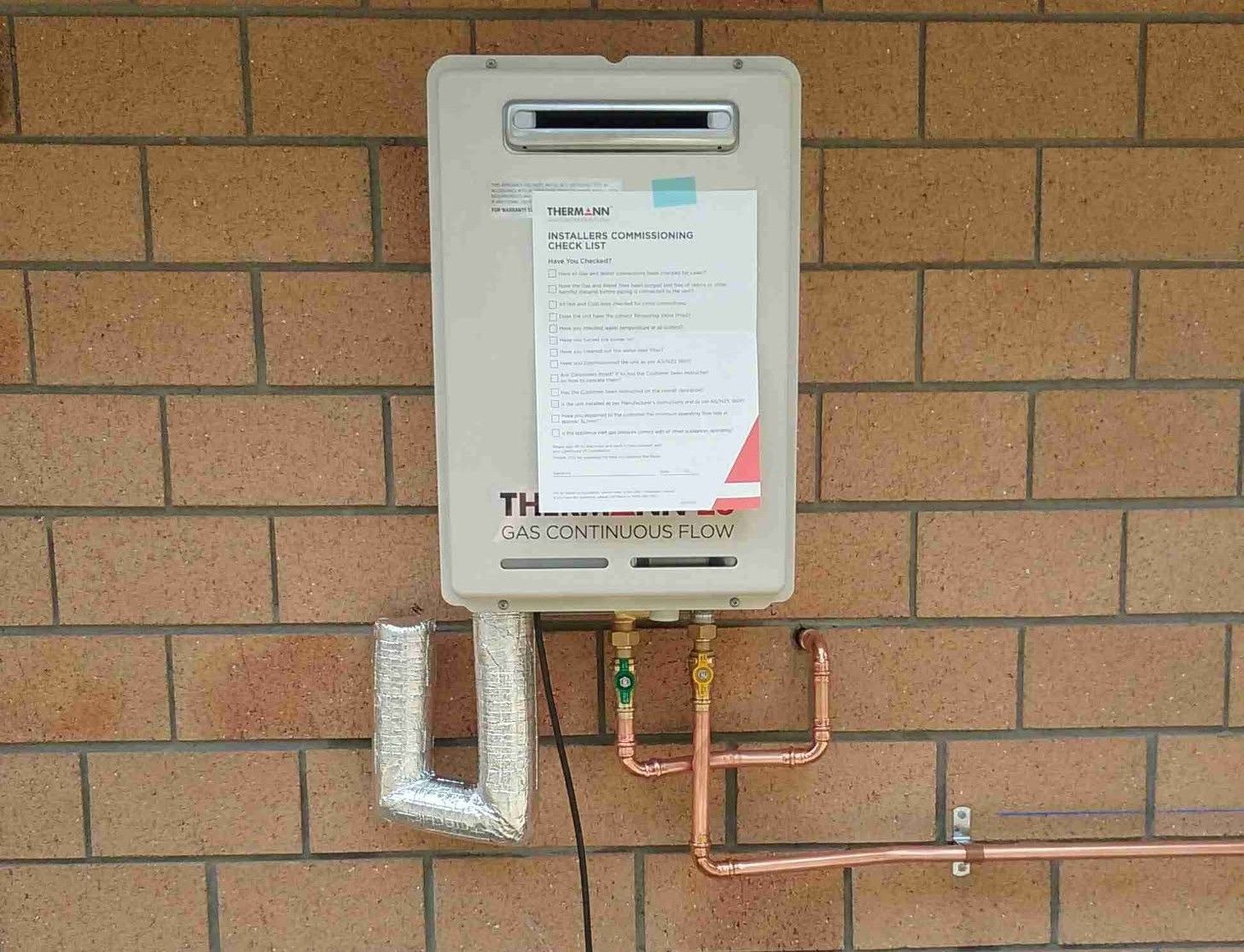
Bathroom renovations often increase hot water demand, particularly when larger showers or additional outlets are installed. Existing hot water systems may not be designed to handle these changes.
Important factors to consider include:
- Current system capacity & age
- Distance between the hot water system & bathroom outlets
- Heat loss caused by long pipe runs
Assessing hot water requirements early allows upgrades or repositioning to be planned if needed. This helps avoid issues such as fluctuating temperatures or long wait times after the renovation is complete.
Drainage Design & Waste Management Considerations
Effective drainage is essential for hygiene, safety and usability. Poor drainage design can lead to slow flow, standing water and unpleasant odours.
Plumbing design typically focuses on:
- Correct pipe gradients for waste removal
- Floor waste placement to manage overflow
- Venting to maintain pressure balance
Regional properties may rely on alternative waste systems rather than centralised sewer connections. Ensuring drainage is designed correctly helps protect both the bathroom and the wider property from long-term issues.
Material Selection & Long-Term Durability
Material choice plays a major role in how plumbing systems perform over time. Environmental exposure, water quality and accessibility for maintenance all influence durability.
Plumbers may recommend:
- Corrosion-resistant piping materials
- Accessible isolation valves for servicing
- Fixtures designed for long-term performance
Selecting appropriate materials during a renovation reduces the likelihood of leaks, pressure loss and premature component failure. These decisions often deliver value well beyond the renovation itself.
Accessibility & Future Proofing Opportunities
Bathroom renovations provide an opportunity to consider future needs without sacrificing current comfort. Plumbing design can support accessibility and adaptability over time.
Forward planning may include:
- Reinforced walls for future grab rail installation
- Step-free shower drainage solutions
- Practical tap & mixer placement
Incorporating these elements early avoids disruptive modifications later and supports long-term usability.
Coordinating Trades & Minimising Disruption
Bathroom renovations typically involve multiple trades working in a confined space. Plumbing work often underpins the timing of other stages, including waterproofing, tiling and fixture installation.
Effective coordination helps:
- Reduce delays caused by rework or access issues
- Ensure waterproofing stages proceed smoothly
- Minimise disruption to household water use
Clear sequencing of plumbing tasks supports a more efficient renovation process.
Maintenance Planning & Post-Renovation Care
Once a bathroom renovation is complete, understanding how to care for new plumbing systems supports long-term performance. Even well-installed systems benefit from routine attention.
Ongoing considerations include:
- Monitoring changes in water pressure
- Checking visible connections for leaks
- Scheduling periodic inspections when required
Establishing simple maintenance habits helps identify potential issues early and extends the lifespan of plumbing components.
Ventilation, Moisture Control & Plumbing Interactions
Moisture management is often associated with ventilation and waterproofing, but plumbing design also plays a role. Poorly positioned fixtures or leaking connections can introduce excess moisture into wall cavities and floors.
Plumbing considerations that support moisture control include:
- Secure connections to reduce hidden leaks
- Correct installation of floor wastes near wet zones
- Allowing access points for inspection if issues arise
Addressing moisture risks early helps protect structural elements and internal finishes over time.
Noise Reduction & Pipe Placement
Older plumbing systems can transmit noise through walls and floors, particularly after renovations that change layouts or materials. Pipe placement and fixing methods influence how sound travels through the home.
Noise reduction strategies may involve:
- Proper pipe support to minimise vibration
- Thoughtful routing away from shared walls
- Selecting fittings designed to reduce flow noise
Considering noise at the planning stage improves comfort and avoids intrusive sounds after the renovation is complete.
Energy Efficiency & Water Use Awareness
Modern bathrooms often aim to improve water and energy efficiency. Plumbing design supports these goals when systems are configured correctly.
Efficiency-focused considerations include:
- Matching fixtures to system capabilities
- Minimising heat loss through pipe insulation
- Avoiding unnecessary pipe length where possible
Thoughtful plumbing choices contribute to lower operating costs without compromising performance.
Final Checks, Testing & Handover
Before a renovated bathroom is placed into regular use, thorough testing ensures all plumbing systems operate as intended. This stage confirms that design decisions have translated into reliable outcomes.
Final checks typically involve:
- Pressure testing supply lines
- Inspecting drainage performance
- Confirming temperature stability
Testing provides confidence that the renovation has been completed to an appropriate standard.
Planning Ahead With Practical Plumbing Advice & Confidence
We at
Greg Mitchell Plumbing support homeowners planning bathroom renovations by offering clear guidance on plumbing decisions that affect long-term performance. We understand the challenges older systems and regional properties can present. If you are renovating in Kingaroy or the wider Burnett region, get in touch to discuss your project before work begins.