Backflow Prevention: How It Protects Your Drinking Water
Greg Mitchell Plumbing • August 31, 2026
If a letter from your water authority or a comment from a plumber mid-renovation has left you wondering about
backflow prevention in Kingaroy, the answer is usually simpler than you might fear. Most standalone homes running only town water need very little, usually a few cheap fittings at the garden taps. The picture changes the moment a rainwater tank, a bore, a stock trough or a spray unit joins the same pipework, because that is when water can start moving through your pipes in the wrong direction. This guide walks through how that happens, where it happens on local properties and what actually belongs where.
The Quick Answer: Does Your Kingaroy Property Need Backflow Protection?
Whether you need protection has less to do with living in town or on acreage and more to do with how many water sources feed your pipes and what those sources touch. A house on a single town water connection sits at the low end of the risk scale. Once tanks, bores or agricultural gear enter the system, the hazard rating climbs and the answer moves from a few simple fittings to a properly assessed device.
For a standalone home on town water, sensible protection usually comes down to a few inexpensive fittings at points such as:
- Outdoor garden taps where a hose could sit in a bucket, a pool or a laundry tub.
- Hose-end sprayers used for washing the car or the house.
- Any tap a portable weed or pest sprayer gets filled from.
The trouble begins when a second or third water source is plumbed in, and that is where the rest of this guide focuses.
What Actually Causes Water to Flow Backwards in Your Pipes?
Under normal conditions, mains pressure pushes water one way, from the street into your home. Backflow is simply that flow reversing, which happens when the pressure balance breaks down. Getting a handle on backflow prevention in Kingaroy starts with understanding the two ways this reversal can occur.
Reverse flow tends to happen through:
- Back-siphonage, where negative pressure pulls water back down the LINE, caused by a burst main, a hydrant being drawn hard during a fire or a pump starting up.
- Back-pressure, where a downstream source sits at higher pressure than the mains and pushes water the other way, such as a tank pump, bore pump, boiler or pressurised spray unit.
- A cross-connection, the physical point where clean and potentially contaminated water can meet, which both mechanisms need in order to do any harm.
Remove or protect the cross-connection, and neither mechanism has anywhere to send dirty water.
Where the Real Cross-Connections Are on a Burnett Property
Most backflow advice online is written for a suburban block with one water source, where the only worries are a garden hose and an irrigation line. Properties around Kingaroy, Wondai and Murgon rarely look like that. Over more than two decades working across the South and North Burnett, a licensed plumber in Kingaroy tends to see the same handful of connections doing the real damage.
On acreage and rural blocks around the region, the connections worth checking first tend to include:
- Rainwater tank and bore switchover systems tying several supplies into one set of pipes.
- Stock troughs fed by a hose that gets left sitting in the water.
- Chemical spray tanks, fertigation lines and fire-fighting pumps drawing off the same supply.
Each of these is a point where water from a lower-quality source can be pushed or pulled back toward the drinking supply.
Does a Rainwater Tank or Bore Switchover Need Backflow Protection?
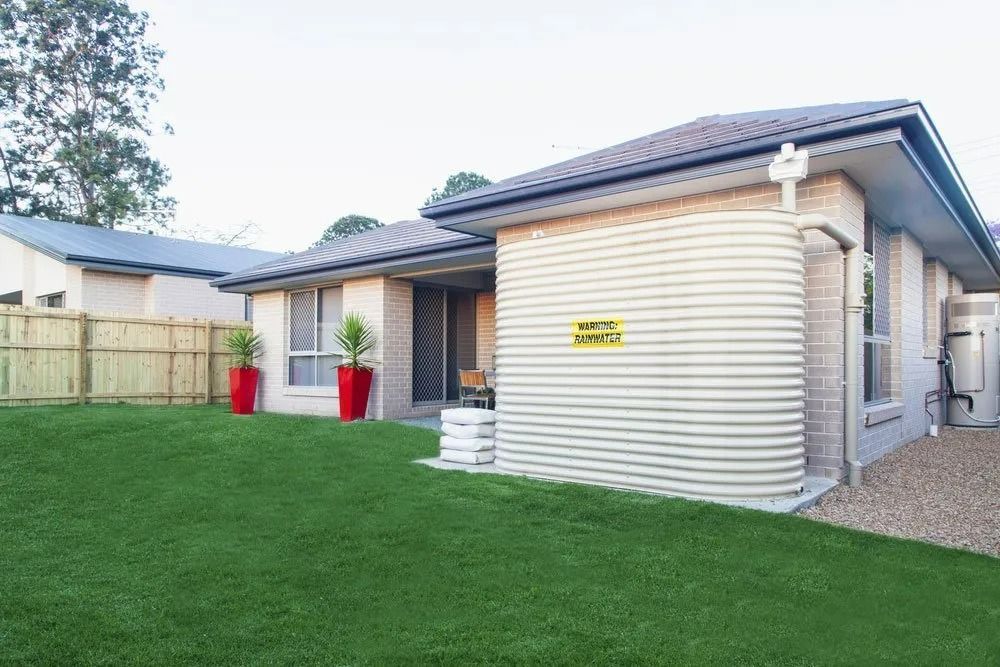
This is the single most common uncontrolled cross-connection found on local properties. Where a tank tops up from town water, or a system switches automatically between tank and mains, an unprotected join lets tank water flow back into the town main. Tank water carries sediment, insects, bird droppings and the occasional bacterial load, none of which belongs in a shared supply, which is why these arrangements attract protection requirements even on a domestic block. Regular rainwater tank maintenance helps keep the stored water cleaner, but it does not remove the need to protect the connection itself.
A switchover arrangement raises the hazard rating because it can allow:
- Untreated tank water to enter the town main during a pressure drop.
- Bore water, which varies widely in quality, to mix into the drinking supply.
- A fault in an old switchover valve to go unnoticed for years.
If your place runs more than one supply, the switchover is the first thing worth having looked at.
What Type of Backflow Device Suits Which Risk, & How Often Is It Tested?
The device you need is driven by the hazard rating of the connection, not by whether the property is residential or commercial. Testable assemblies also carry an ongoing duty: they must be commissioned at installation and tested every year by a plumber holding the relevant backflow endorsement, with the result recorded and lodged with the local water authority. All of this is regulated work in Queensland under the QBCC and installed to AS/NZS 3500, so a device cannot simply be bought and fitted by a homeowner. If you are weighing whether unlicensed plumbing work is worth the risk, our separate article on QBCC licensing sets out the case in full.
Matching the device to the hazard usually means working through options like:
- Low hazard, covered by a hose connection vacuum breaker or a dual check valve, often only a few dollars up to around fifty each.
- Medium hazard, handled by a testable double check valve, commonly a few hundred dollars once installed.
- High hazard, needing a reduced pressure zone device or a physical air gap, the most involved job once the tundish and drain provision are added.
These ranges are indicative only and shift with pipe size, access and whether a compliant discharge point already exists, and the yearly test sits on top as a separate recurring cost.
Warning Signs Your Drinking Water Has Been Contaminated
Contamination from backflow is not always dramatic, and the first clue is often subtle. Trust your senses, but do not wait for certainty before acting. If something seems off with the water and you run multiple supplies or agricultural gear, treat it seriously.
Water that has been affected by a cross-connection often gives itself away through:
- A change in colour, cloudiness or visible sediment at the tap.
- An unusual taste or smell, sometimes chemical, earthy or metallic.
- Water that runs discoloured after a nearby main burst, a fire event or a pump cutting in.
If you notice any of these, stop drinking the water and arrange to have your connections checked.
Not Sure What Your Place Actually Needs?
Every property connects its water a little differently, and the only reliable way to know what applies to yours is to have someone look at how the supplies tie together. We at
Greg Mitchell Plumbing have spent more than two decades working across Kingaroy, Murgon, Wondai, Nanango and Gayndah, on exactly the kind of properties where town water, a rainwater tank and a bore all meet. We can assess your cross-connection risk, point out where a hose sitting in a trough or an old switchover valve has become a problem, and arrange compliant work where a device is genuinely needed. If you have had a notice, just finished a tank install or simply want peace of mind about backflow prevention in Kingaroy,
get in touch to book a water supply risk check.
FAQs
What actually causes water to flow backwards in my pipes?
Backflow comes down to one of two things. Back-siphonage happens when the pressure in the mains drops, often from a burst main, a hydrant being drawn hard during a fire or a pump starting up, and the negative pressure siphons water back down the line. Back-pressure works the other way, when a downstream source such as a tank pump, bore pump or pressurised spray unit sits at higher pressure than the mains and pushes water backwards. Neither can contaminate anything on its own. Both need a cross-connection, a physical point where clean and dirty water can meet, to do any harm.
Does my rainwater tank switchover system need backflow protection?
In most cases yes, and it is the connection worth checking first. Where a tank tops up from town water, or a system switches automatically between tank and mains, an unprotected join lets tank water flow back into the town main during a pressure drop. Tank water carries sediment, insects, bird droppings and the occasional bacterial load, none of which belongs in a shared supply. This is why switchover arrangements attract protection requirements even on an ordinary domestic block. Old switchover valves that were fitted years ago and never checked are a common weak point, so having yours assessed is a sensible move.
Do I need a backflow prevention device on a normal Kingaroy house, or only on commercial properties?
Hazard drives the answer, not whether the property is residential or commercial. A plain town-water house with no tank, no bore and no spray gear usually only needs a handful of cheap hose-tap fittings at the garden taps, not a testable assembly. The moment a rainwater tank, bore, stock trough, chemical spray unit or fire-fighting pump joins the same pipework, the hazard rating climbs and a properly assessed device becomes the right answer. Commercial gear such as beverage machines and wash-down bays lifts it further again. The sensible spend matches the risk on your particular site, which is why an assessment is worthwhile.
How often does a backflow prevention device have to be tested, and who can test it?
Only testable devices carry an ongoing obligation, and it is a yearly one. A testable double check valve or a reduced pressure zone device must be commissioned when it is installed, then tested every twelve months by a plumber who holds the relevant backflow endorsement. The results are recorded and lodged with the local water authority, and that annual test is a separate recurring cost on top of the installation. Simple low-hazard fittings like hose connection vacuum breakers do not need this. Requirements and record-keeping are administered locally, so confirm the current position with South Burnett Regional Council.
What are the warning signs my drinking water has been contaminated?
Contamination from backflow is not always obvious, and the first clue is often subtle. Watch for a change in colour, cloudiness or visible sediment at the tap, or an unusual taste or smell that reads as chemical, earthy or metallic. Discolouration that appears straight after a nearby main burst, a fire event or a pump cutting in is a particular red flag, since those are the exact moments a pressure change can drive reverse flow. If you notice any of these, especially on a property running multiple supplies or agricultural gear, stop drinking the water and arrange to have your connections checked.